
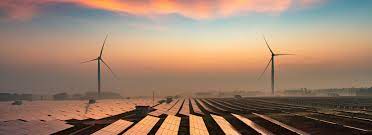
Renewable Energy is being powered by solar and wind. Here are the basics of renewables and how to make an impact at your home.
The boom in renewable power is due to innovation that lowers costs and promises a cleaner energy future. American solar and wind power are setting new records. It is being seamlessly integrated into the national electricity grid without compromising reliability.
Renewables are replacing “dirty” fossil fuels in the power sector. This offers lower carbon emissions and other forms of pollution. Not all energy sources marketed as renewable are good for the environment. Large hydroelectric dams and biomass are difficult to choose between the environmental impact and climate change. This article will explain the differences between renewable energy sources and how you can use them at home.
What is Renewable Energy?
Renewable Energy is often called clean Energy. It comes from natural resources or processes that are continuously replenished. Even though their availability is dependent on weather and time, for example, sunlight and wind continue to shine and blow even when they are not.
Although renewable Energy is often viewed as a novel technology, it has been used for heat, transport, light, and other purposes. The wind has been used to powerboats that sail the oceans and windmills for grinding grain. The sun has been a source of warmth and light throughout the day, as well as helping to create fires that last until the early hours of the morning. However, over the last 500 years, people have increasingly turned to less-cleaner energy sources like coal and fracked natural gas.
Renewables have become a more important power source, accounting for over one-eighth U.S. generation. We now have more innovative and cheaper ways to capture and keep solar and wind energy. There are many scales to renewables, including rooftop solar panels that can sell electricity back to the grid and large offshore wind farms. Renewable Energy is used for lighting and heating in many rural communities.
As renewable Energy grows, the key goal is to modernize America’s electricity grid. This will make it more intelligent, safer, and better integrated across different regions.
Dirty Energy
Nonrenewable Energy, also known as “dirty,” includes fossil fuels like oil, gas, and coke. Nonrenewable energy sources are limited in quantity and take a while to replenish. We use a finite resource that has been refined from crude oil since prehistoric times to pump gas at the station.
Also, nonrenewable energy sources can be found in certain parts of the globe. This makes them more abundant in some countries than in others. Every country, however, has access to sunlight and wind. Nonrenewable energy priorities can increase national security by decreasing a country’s dependence on fossil fuel-rich countries for exports.
Nonrenewable energy sources can pose a threat to the environment and human health. Oil drilling could require the stripping of Canada’s boreal forests. The technology involved with Fracking can lead to earthquakes, water pollution, and coal power stations polluting the air. All these activities contribute to global warming.
Types of renewable energy sources
Solar Energy
Humans have used solar Energy for thousands of years to grow crops, keep warm, and dry food. The National Renewable Energy Laboratory states that “more energy from the sun falls on earth in an hour than is used worldwide by anyone in one year.” We use the sun’s rays to heat our homes and businesses, warm water, and power devices.
The solar cell, also known as photovoltaic, is made of silicon or other materials that convert sunlight into electricity. Distributed solar systems produce electricity locally for both homes and businesses. These can be done via rooftop panels or community projects that provide power to entire communities. Solar farms can produce power for thousands of homes by using mirrors to focus sunlight across acres upon acres of solar cells. Floating solar farms–or “photovoltaics”–can be an effective use of wastewater facilities and bodies of water that aren’t ecologically sensitive.
The U.S. gets just 1% of its electricity from solar. Nearly a third of the new generation capacity was generated by solar in 2017, second only after natural gas.
The solar cell, also known as photovoltaic, is made of silicon or other materials that convert sunlight into electricity. Distributed solar systems produce electricity locally for both homes and businesses. These can be done via rooftop panels or community projects that provide power to entire communities. Solar farms can produce power for thousands of homes by using mirrors to focus sunlight across hundreds of solar cells. Floating solar farms–or “photovoltaics”–can be an effective use of wastewater facilities and bodies of water that aren’t ecologically sensitive.
The U.S. gets just 1% of its electricity from solar. Nearly a third of the new generation capacity was generated by solar in 2017, second only after natural gas.
Solar energy systems do not produce greenhouse gases or air pollutants. Most solar panels are environmentally friendly as long as they’re properly placed.
Wind Energy
We have come to a long distance from the old-fashioned windmills. Today, turbines nearly as high as skyscrapers stand out around the globe. Wind energy is the power that turns turbine blades into electricity.
Wind accounts for just over 6 per cent of U.S.-generated and has been the most affordable energy source throughout the country. The top wind power states are California, Texas and Oklahoma. However, turbines can also be placed in areas with high wind speeds, such as hills and open plains, or even offshore within open water.
Other alternative energy sources
Hydroelectric Power
Although hydropower is the most important renewable energy source for electricity, wind energy is expected to take over that role soon. Hydropower is based on water, typically fast-moving water from large rivers or rapidly falling water from high points. Converts that force into electricity through spinning turbine blades.
Large hydroelectric plants, or mega-dams, are often considered nonrenewable Energy. Mega-dams reduce and divert natural flows, limiting access to rivers for animals and humans. Because they only divert a small amount of flow, small hydroelectric plants with a capacity of fewer than 40 megawatts are not as likely to cause environmental damage.
Biomass Energy
Biomass Organic material from plants and animals. It includes crops, wood waste, and trees. The chemical energy from biomass can be converted to heat by burning it. This heat can then be used to generate electricity using a steam turbine.
Biomass is sometimes mistakenly referred to as a clean, renewable fuel that produces electricity and is a cleaner alternative to coal or other fossil fuels. Recent science has shown that biomass produces higher carbon emissions than other fossil fuels, especially from forests. However, there are also potential negative effects on biodiversity. However, some forms of biomass energy could be low-carbon if used in the right conditions. Low-carbon energy sources include sawdust, chips and sawdust from sawmills.
Geothermal Energy
The Svartsengi geothermal power plant near Grindavík, Iceland
Daniel Snaer Ragnarsson/iStock
geothermal heat is what you have used if you’ve ever sat down in a hot spring. Due to the slow decay of radioactive particles in the rocks at the centre of the earth, the earth’s core is hotter than the sun’s surface. Deep well drilling brings hot underground water to the surface, which is used as a hydrothermal source. The heat is then pumped through an electric turbine to generate electricity. If they return the steam and water into the reservoir, geothermal plants have lower emissions. Although there are many ways to make geothermal plants in places without underground reservoirs, there are also concerns that they could increase the likelihood of an earthquake.
Ocean
Wave energy and tidal Energy are still in development. However, the moon’s gravitation will continue to rule the ocean, making harnessing its power attractive. Some tidal energy methods may cause harm to wildlife, such as Tidal Barrages, which are similar to dams but are located in an ocean lagoon or bay. Wave power is similar to tidal Energy and relies on structures that look like dams or ocean-floor-anchored devices just below the water’s surface.
Renewable Energy at Home
Solar Power
We can harness the sun’s Energy to power our entire house on a smaller scale – whether through PV cells or passive home design. Concrete, bricks and tiles are all good options for storing heat.
Solar-powered homes can generate more electricity than they need, which allows the homeowner to sell any excess power back to the grid. The most cost-effective way to store excess solar power is through batteries. Researchers constantly innovate new technologies that combine form and function, like roof shingles and solar skylights.
Geothermal heat pumps
Geothermal technology is an innovative take on a familiar process. The coils at your fridge’s back are mini heat pumps, which remove heat from the interior to keep food fresh and cool. Geo-exchange pumps are used to heat water and cool homes.
Although geothermal systems are more expensive than traditional air conditioners, they can pay for themselves in 10 years. They also last longer than conventional air conditioners and are quieter.
Small Wind Systems
What about a backyard wind farm? Small wind turbines are used regularly by ranchers, boats, and cell phone companies. Although some homeowners are now installing their turbines, dealers can help them install and maintain wind farms. A wind turbine can reduce your dependence on the electric grid depending on how much electricity you need, wind speed, and local zoning regulations.
Sell the Energy You Collect
Solar and wind energy-powered homes can be connected to the larger electric grid by either connecting directly or standing alone. Electric utilities allow homeowners to pay only the difference between what they produce and how much grid-supplied electricity is consumed in most states. This process is called net metering. Your provider might pay you the retail price if you produce more electricity than you use.
Renewable Energy and You
Advocates for renewable Energy or those who use them in their homes can help accelerate the transition to a cleaner energy future. Even if your home isn’t equipped to mount solar panels, getting electricity from a renewable energy source may still be possible. Ask your power company if they offer this option. Renewable energy certificates can be purchased to offset your electricity use if your utility doesn’t offer them.