
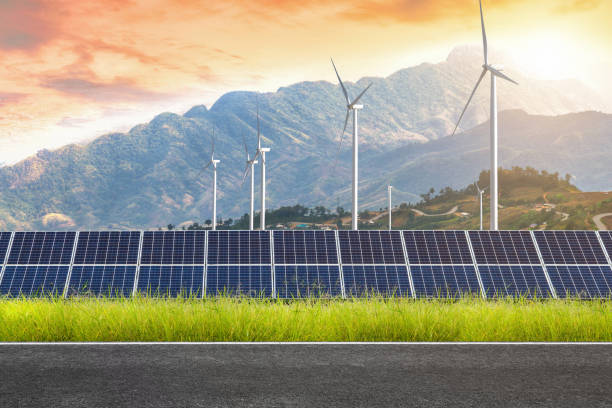
A solar power purchase arrangement (PPA) is a financial agreement between a customer and a developer. The developer will coordinate the design, financing, permitting, and installation of solar panels on a customer’s land.
The most popular financing option for anyone considering going green in the U.S. is solar PPAs. They allow you to put home solar onto your roof or anywhere else on your property for no upfront cost.
Despite the $0 down payment requirement, there are still some drawbacks. We will be looking at the pros and cons of solar PPAs and market policy details to help you see how much electricity can be saved.
WHAT DOES A SOLAR PPA DO?
A homeowner or host customer can sign up with their solar installer/developer for a solar power purchase agreement (PPA) and agree to the term. Solar PPA contracts typically last between 5 and 25 years.
The solar developer will then place panels on your home (usually on a rooftop). The contract will cover any generated solar energy. This energy is not just given to the host customer at no cost.
The developer sells the power generated to the homeowner at a fixed price. The rate charged is less than the retail rate of the local utility. Solar PPAs would only be worth the cost if it were higher if the sole purpose of solar PPAs were to generate clean, -renewable energy.
Any additional solar power that the panels generate goes to the local grid. Net Metering can be used if a program is offered in your area. Net Metering has its benefits, but only to a limited extent.
The federal incentives are unavailable because the solar developer technically owns your system. Like the solar tax credit (ITC). In addition, you are not eligible for local rebates or incentives such as the solar renewable energy credit (SRECs), often associated with net Metering.
Developers are also responsible for all necessary solar panel maintenance and repairs, and replacement during a solar PVPA contract. Customers can prolong their contract or have the panels removed. Alternatively, they can buy the system.
SOLAR PPA PROS
You can expect these benefits when signing up for a solar PPA.
LOW TO NO UPFRONT COSTS
Developers take care of the upfront costs of solar panels, such as sizing, purchasing, and installing the system. You can get a solar panel system for as low as 0% and begin saving with solar as soon the system is up and running.
REDUCED ELECTRICITY RATE
The developer offers a fixed electricity rate to homeowners. Because electricity costs are more predictable, this helps households budget. There are two options for structuring your rate:
- Fixed escalator plan. This plan allows customers to pay increases in electricity costs at a fixed rate (typically between 2 and 5%). This rate is usually lower than those charged by utilities.
- Fixed price plan. This plan keeps the same rate for the whole term of your solar PPA contract. Customers can depend on the same rate for many years, even if utility prices rise.
NO MAINTENANCE OR REPAIR RESPONSIBILITY
Developers technically own the solar panels but are fully responsible for any repairs or maintenance.
Inclement weather, such as a hurricane, damages your panels, or they perform at a low level. Your developer will take care of maintaining and fixing your panels.
BETTER LEVERAGE THAN INCENTIVES
Solar PPAs benefit developers because they can take advantage of tax credits that will lower the overall cost of the system.
You cannot use tax credits if you are a municipal customer or a public entity with no taxable income. These customers are not eligible for the ITC because it is only available to residential-solar.
INCREASE IN PROPERTY VALUE
Customers also gain because solar panels increase their home value.
Solar PPAs are long-term, and agreements can be transferred between property owners. This increases the property’s value when it comes to selling. This is only true if the new owner wishes to install solar panels at their home. Otherwise, they will need to be removed.
SOLAR PPA CONS
These are the cons of signing up for a solar PPA.
SRECS MISSING OUT
SRECs are excess solar power that a utility company has purchased. You can sell excess energy from your solar panels to your utility if they produce more than you need. You will typically receive SRECs as a return.
The developer receives SRECs, but most customers do not get any SRECs.
LACK OF FINANCING SOLUTIONS
The fixed escalator and fixed price plans are options for those wanting to go solar. People also love the fact that $0 can be paid outright.
However, purchasing a solar system by yourself has many benefits. Many solar panel companies, such as Freedom Solar, offer financing options with interest rates as low as 0% and $0 down payments. They also offer a competitive warranty which makes going green simple.
UPGRADES FOR YOUR PROPERTY
As you can see, the developer is responsible for designing, install, operating, and maintaining your solar PV (PV) system. Host customers are responsible for all other costs.
You might have to trim tree branches that block sunlight from reaching your panels or do other things that support the installation or reduce the cost. Local ordinances such as system inspections or HOA approvals may also apply to your project management.
POTENTIALLY HIGHER PROPERTY TAXES
While solar PV systems can improve your home’s resale price but also increase your property taxes. While some states, such as Colorado, offer property tax exemptions for their residents, many other states don’t offer this type. You will need to do some research to find out the incentives available in your region.
NOTE ON SOLAR PPAS & MARKET POLICY
A solar PPA can help you avoid the initial costs of purchasing a solar panel system. You can also avoid the costs of equipment, labor and maintenance as well as repair.
Customers often find using a solar panel system with a solar power purchase agreement (or solar PPA) easier. Customers don’t need to know which federal incentives, tax credit, or regional rebates are available.
Solar PPA models are often subject to legislative hurdles that could otherwise make it easier for regulators to regulate them as electric utilities. Developers are similar to utilities in that they purchase back electricity the panels generate.
Customers may not be comfortable signing a solar PPA. In these cases, they opt for leasing solar panels. Although the two options look very similar, companies that lease solar panels don’t offer electric power.
In both cases, however, the solar panel system is owned by a third party.