
In India, indoor air pollution caused by stovetop cooking and biomass burning is estimated to cause 1.3 million deaths per year. LPG is currently seen as the sole alternative. This is a very narrow view. The Union Budget 2016-17 sets a goal of extending LPG to 50 million BPL households in the next three years. This is another reason to explore alternative solutions to LPG. The fact that India has between 120 and 200 million homes without access to clean solutions for cooking strengthens our argument for using electricity.
Electric Stoves: Switching to Electric Stoves
The high cost of LPG may be one reason for its slow growth. India consumes approximately 23 million tons of LPG per year, of which more than 50% is imported. Even if the demand increases by 10 percent annually, the cost of LPG distribution and acquisition will increase significantly. The cost of imports increases, economic growth is affected, etc. Even electricity production requires infrastructure, funds, and resources, right?
How about solar energy?
Fortunately, this is not our first idea. A strategy document by the NITI Aayog titled “Electricity and Clean Cooking Strategy for India” was already put forward for consideration.
Universal and Free
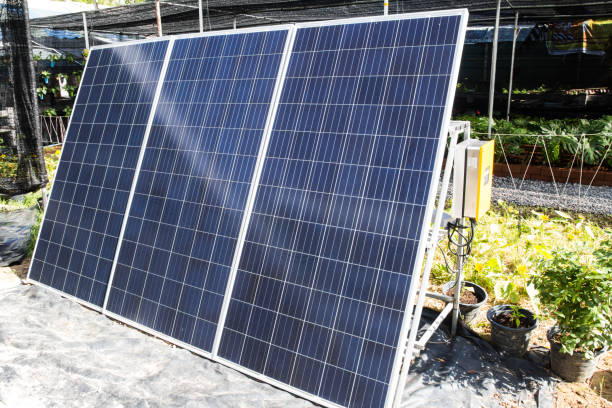
Solar energy can be used for cooking for free once the initial installation is complete. This could change India’s energy quest. The report highlights the benefits of using solar power in rural and urban areas. One example is remote areas, where electricity poles are still a rarity. These areas can use off-grid solar solutions to switch to electric cooking.
In terms of cost, even the short-term economic prices are comparable with the LPG solution. The average household uses 8-10 LPG cylinders per year, which is equivalent to 4kWh of electricity each day. Solar power and fossil fuels are almost equally expensive at the moment to generate that amount of energy. The advantage of solar power becomes apparent when you consider the long-term benefits, as sunlight does not affect the import bill like oil and gas do.
What are your concerns about flame-free cooking?
Some people might argue that Indian food cannot be cooked on an electric cooker. This is a common misconception. Induction cookers are not new. The chapatis look just as puffy on an induction stove. Even a small push in the right direction from the government can tip the balance towards flame-free cooking.
So, that’s that. Solar power has the potential to be a game changer for the Indian energy industry. It has changed opinions over the past couple of years. Urban homeowners are increasingly searching online for roof solar solutions and installing them. Solar is also gaining popularity in rural areas, thanks to government-sponsored schemes. It only takes a constant push from the government, mass adoption, and innovative ideas to make the change.