
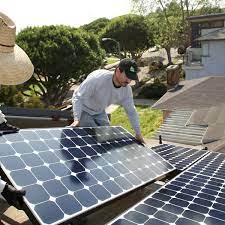
The technology of solar energy is not new. Over time, it has improved, allowing long-term solar energy users to upgrade their panels whenever they become obsolete.
What happens when a solar system owner decides to replace it?
Many organizations help preserve older solar panels models so that they don’t end up in landfills.
Even after the 25-year lifespan, many solar panels still have a good life expectancy. It’s easy to see that clean energy can benefit those who are struggling with their energy bills.
Solar energy is rapidly gaining a footprint worldwide. India is no different and is accelerating towards adopting this renewable energy rather quickly. The availability of technology and resources enables the feasibility of solar implementation in India. The role of government through the formation of specialized bodies such as MNRE (Ministry of New and Renewable Energy) and SECI (Solar Energy Corporation of India) has also helped the case of solar power in India. From net metering to a subsidy – solar power is a win-win situation for everyone in the ecosystem.
The push towards solar power is mostly because of its unprecedented advantages. However, today’s market is full of options – from different solar panels to entire solar systems. Choosing the right solar power system, including the right solar panels, is crucial for maximum efficiency; hence, choose reputed brands like Luminous, offering end-to-end rooftop solar power system solutions suited to all residential needs.
COLORADO NONPROFIT SOLAR PANELS RECYCLED
Coldharbour Institute is a Colorado-based nonprofit that promotes regenerative living. It uses tools, support and programs to improve land, people and community health.
Its mission is to empower and educate youth and their community to impact sustainability and green solutions.
Coldharbour Institute’s Equitable Solar Solutions(TM) (ESS program) is one way to do this. It is dedicated to making solar energy more affordable to low-income residents of Gunnison and Colorado.
A Western Colorado University student, Stromberg gave his students a mission while working with them. He has 12 solar panels left over, so he asks, “How can these assets be used to create the greatest value in our community for those most in need?”
Students devised and implemented a plan to place the panels on an ice rink in Gunnison. The rink used the money saved on utility bills to fund a program that helps low-income residents pay their energy bills. Hence, ESS was created.
PROVIDING CLEANENERGY TO THOSE WHO ARE MOST IN NEED
ESS purchases old panels from individuals or solar companies upgrading their home’s solar panel system. The program installs the donated panels to households that cannot pay their utility bills.
The Gunnison Basin’s extremely cold winter temperatures, dry conditions and high elevations pose significant challenges for its residents. Access to reliable and sustainable energy is crucial for residents’ well-being. The extreme isolation of the region makes this even more difficult.
Climate change is driving higher demand for clean energy than ever. The program combats climate change by providing low-income households with solar panels.
The obvious benefit of using solar energy to generate electricity for homes (and thus lowering your energy bills) is first. Repurposed solar panels can be kept out of landfills while preserving natural resources.